Game rules
The core rules, goals, special cells, power-ups and every look the board can take.
Board and modes
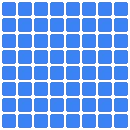
The board is 8×8 squares. The tray offers three pieces at a time; drag one onto empty squares. When all three are placed, three new ones arrive. There is no gravity: a block stays exactly where you put it.
In Adventure every level has goals and a limited number of moves; complete the goals to win. Power-ups, landmarks and rewards all live in Adventure. Classic has no goals: you chase your best score. There is no undo.
Pieces
Pieces can't be rotated; they go down the way the tray offers them (unless you use the Rotate power-up). Every orientation counts as its own piece. Pieces belong to families, and some goals ask for a piece from a given family.
Single family
Pieces: 1

Line family
Pieces: 8


Square family
Pieces: 2


Corner family
Pieces: 16


T family
Pieces: 4


S family
Pieces: 2


Z family
Pieces: 2


U family
Pieces: 4


Rectangle family
Pieces: 2


Clearing lines
A row or column clears as soon as it is completely full. Clearing several lines in one move, or on back-to-back moves, scores more. When none of the tray pieces fits on the board, the run is over.
Level goals
Every Adventure level has one or more goals. Here is every goal type and how many levels use it. N is the target, which changes from level to level.

Score This Run
Score N points
Clearing lines earns points
In 176 levels

Board Wipes
Clear the whole board N times
Leave no block on the board
In 7 levels

Total Lines Cleared
N big clears
Clear many lines in one move
In 82 levels
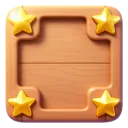
Four Corners
Clear N corners
Clear lines that touch a corner
In 61 levels
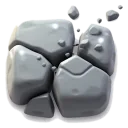
Reinforced Cells
Break N tough blocks
Clear lines through them to break them
In 113 levels

Colour Clear
Clear N coloured blocks
Clear blocks of this colour
In 317 levels

Diamond Hunt
Collect N diamonds
Clear the lines the diamonds sit on
In 243 levels
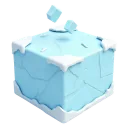
Ice Cells
Break N ice
Put blocks on the ice and clear them
In 116 levels
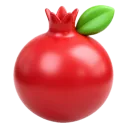
Collect Fruit
Collect N fruit
Clear the lines the fruit sit on
Not used in a level yet
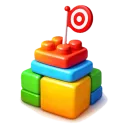
Score in Moves
Score N points
Before your moves run out
In 28 levels
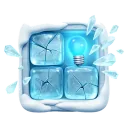
Break Groups
Break N crates
Clear the lines around and through them
In 73 levels
Arrows Out
Get N arrows out
Clear lines to push arrows off the edge
In 94 levels
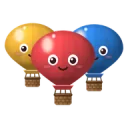
Cappadocia Balloons
Collect N balloons
Clear the lines the balloons sit on
In 169 levels
Special cells
Some levels put special cells on the board. Each one behaves in its own way, and knowing how they work makes the goal much easier.

Explosive Core
Born from a row+column clear. When it blows, it clears the 3×3 around it, its row and its column.
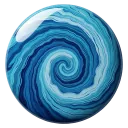
Vortex
Earned every 5 line clears (later on hard levels). Destroying it fills the board's enclosed gaps.
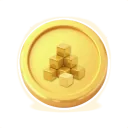
Coin Cell
Pays coins when cleared, double where a row and a column cross.
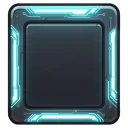
Timer Block
Drops by 1 each move; clear it before 0. In Path mode, running out ends the run.
Hold pocket
Drag a piece into the pocket to keep it. Drop it on a full pocket and the two swap.
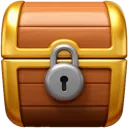
Locked Chest
Opens once enough of its different neighbours are cleared, then spills gold: as many coins as a Coin cell.

Power Star
Line clears through it don't remove it — each adds a charge. At 3 charges it bursts, clearing the 3×3 around it.
Puzzle Link
Locked pieces only come off if every one is hit in the same move, and then pay bonus points. Hit just one and none goes.

Reinforced Group
A 2x2 or 3x3 block with one shared counter. Every row or column cleared along it or through it knocks off one item; when the last one goes, the whole group empties at once.
Arrow Box
When its row or column is cleared, it moves one square in the arrow's direction. If the square ahead is taken, it waits. Once it is on the edge, one more hit takes it off the board.

Colour Crate
Each item inside has a block colour. Clear a row or column so that a block of that colour touches the crate and that item breaks; other colours only shake it. Power-ups break a random item. When the last one goes, the whole crate empties.
Power-ups
Power-ups exist only in Adventure. You earn them from levels, badges and rewarded ads, and some can also be bought with coins in the shop.
Bomb
Drag the icon onto the board and let go: the 3x3 area under it clears instantly.
 150

Row Clear
Drag it onto the board and let go over a row: that row clears from end to end, full or not.
225
Column Clear
Drag it onto the board and let go over a column: that column clears from end to end, full or not.
225
Joker
Tap an empty cell: it fills in, and any row or column it completes clears.
30
Colour Cleanser
Tap a filled cell: every block of that colour on the board disappears.
200
Rotate
Tap a dock piece to turn it 90°. Each tap turns it another quarter.
150
Refresh
Swaps all three dock pieces for new ones — at least one is sure to fit.
200
2x Multiplier
For 15 seconds, every point you score is doubled.
600
Coin Sower
Sows coin cells onto the board at level start; clear them to earn coins.
Not sold in the shop
Hold pocket
Drag a piece into the pocket to keep it. Drop it on a full pocket and the two swap.
Not sold in the shop
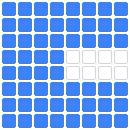
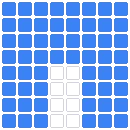
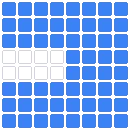
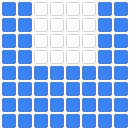
Board shapes
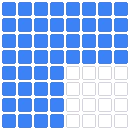
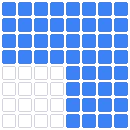
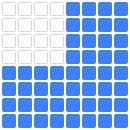
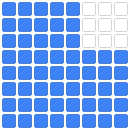
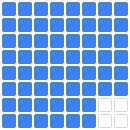
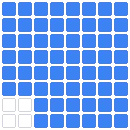
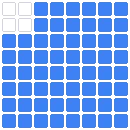
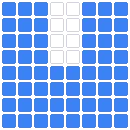
Some levels are played on a board with a different outline instead of the full square. Closed squares can't hold pieces, so every shape asks for a new plan.
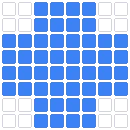
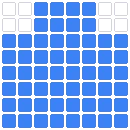
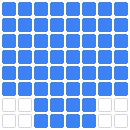
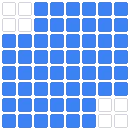
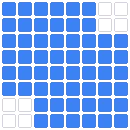
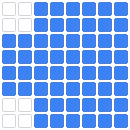
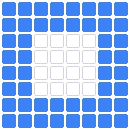
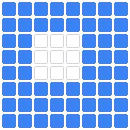
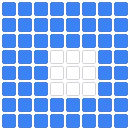
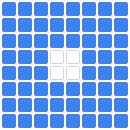
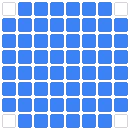
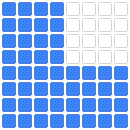
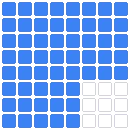
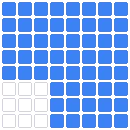
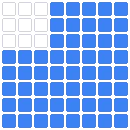
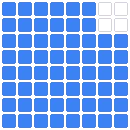
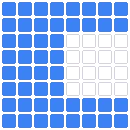
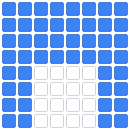
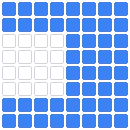
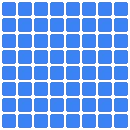
Board themes
The board's look changes with the level group, with special goals and with your Classic score. Themes are only looks; the rules never change.
Diamond Hunt board

Background 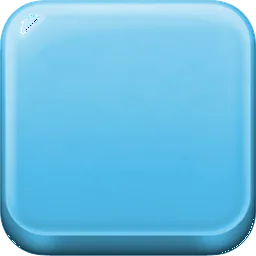
Block skin - Levels with the Diamond Hunt goal
Cappadocia Balloons board

Background 
Surface - Levels with the Cappadocia Balloons goal
Grand bazaar board

Background 
Surface - Adventure: levels 41–50, repeating every 100 levels
- Classic: from 18,000 points
Time Rush board

Background 
Surface 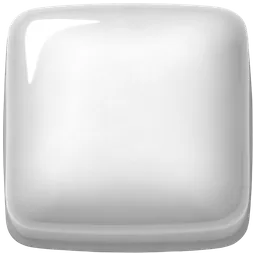
Block skin - Time Rush levels
Lokum board

Background 
Surface - Adventure: levels 21–30, repeating every 100 levels
- Adventure: levels 81–90, repeating every 100 levels
- Classic: from 13,000 points
Fruit market board

Background - Adventure: levels 61–70, repeating every 100 levels
- Classic: from 28,000 points
Neon board

Background 
Block skin - Adventure: levels 71–80, repeating every 100 levels
- Classic: from 3,000 points
Toy shop board
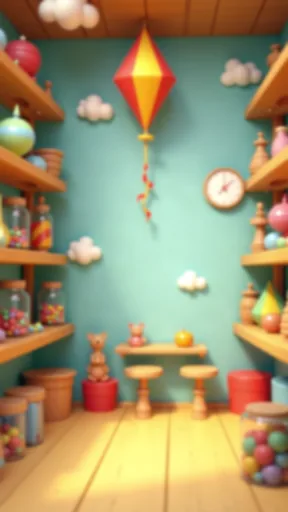
Background 
Surface - Adventure: levels 11–20, repeating every 100 levels
- Classic: from 23,000 points
Sea board

Background 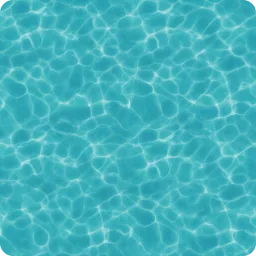
Surface - Adventure: levels 51–60, repeating every 100 levels
- Classic: from 8,000 points
In Classic, after the last theme the board keeps changing every 5,000 points.
Level backgrounds
The early levels each play in front of their own illustrated background. You can turn them on or off in Settings.
 Levels 1–15
 Levels 16–25
 Levels 26–35
 Levels 36–45
 Levels 46–55
 Levels 56–65
 Levels 66–75
 Levels 76–85
 Levels 86–95
 Levels 96–105