
 Vietnam
The Vietnam route: 3 regions, 12 landmarks. Every landmark is built in three stages.
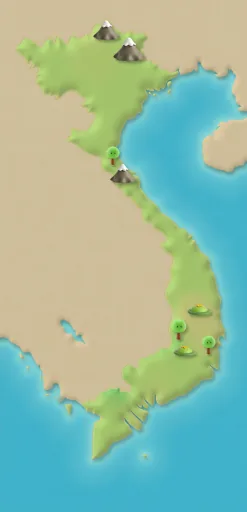
Sa Pa
Route steps 1–12
Rice Terraces
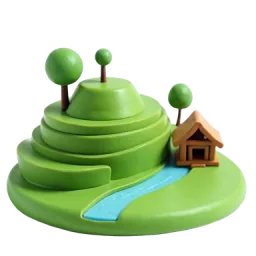
Stage 1 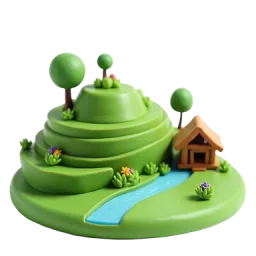
Stage 2 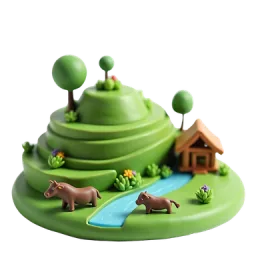
Stage 3 The Mường Hoa Valley, between Sa Pa and Mount Fansipan, is famous for rice fields cut like steps into the hills. Source: Wikipedia
Mount Fansipan Cable Car
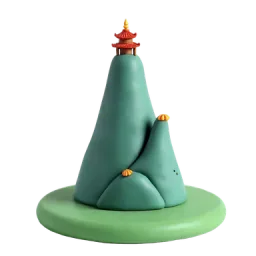
Stage 1 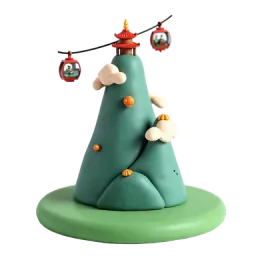
Stage 2 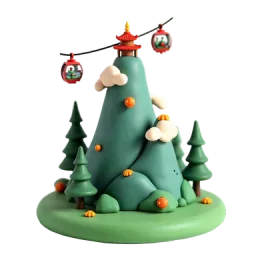
Stage 3 At 3,147 metres, Fansipan is the highest mountain in Indochina, so it is nicknamed the ‘Roof of Indochina’. Source: Wikipedia
Cát Cát Village
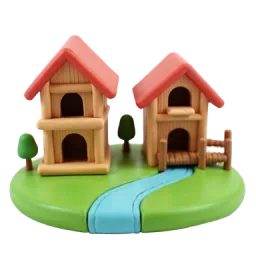
Stage 1 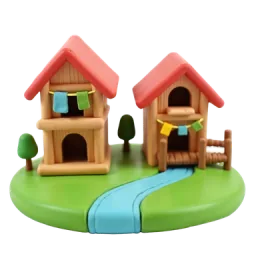
Stage 2 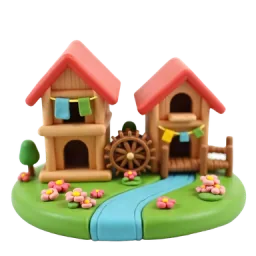
Stage 3 Cát Cát is a Hmong village founded in the mid-1800s. Villagers weave colourful cloth dyed with indigo. Source: Wikipedia
Silver Waterfall
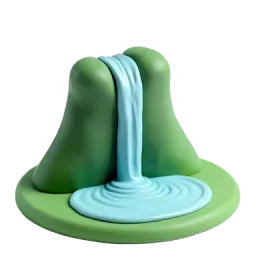
Stage 1 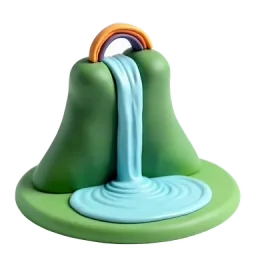
Stage 2 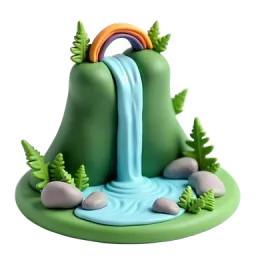
Stage 3 The Silver Waterfall is over 200 metres high. Its name comes from the bright white foam of the falling water. Source: Wikipedia
Hanoi
Route steps 13–24
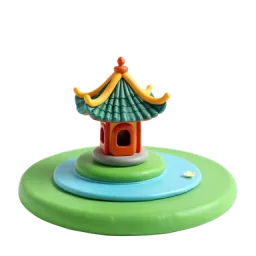
Hoàn Kiếm Lake and Turtle Tower
Stage 1 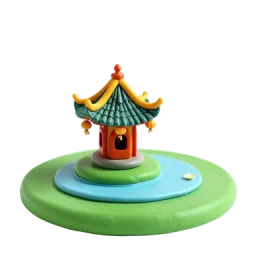
Stage 2 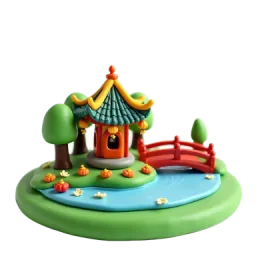
Stage 3 The lake's name means ‘Lake of the Returned Sword’. Legend says a golden turtle took back Emperor Lê Lợi's magic sword here. Source: Wikipedia
Huc Bridge
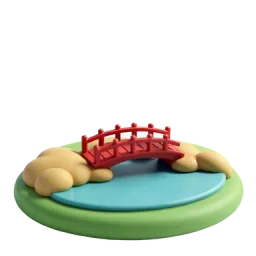
Stage 1 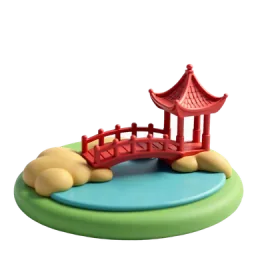
Stage 2 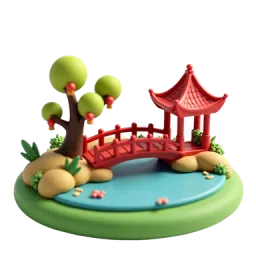
Stage 3 The bridge was built in 1865 to reach Ngọc Sơn Temple on the lake. Its name means ‘the rising and perching sun’. Source: Wikipedia
Temple of Literature
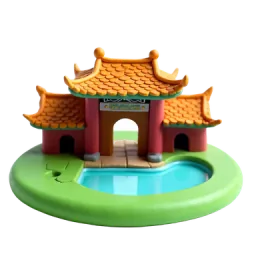
Stage 1 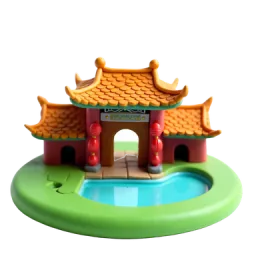
Stage 2 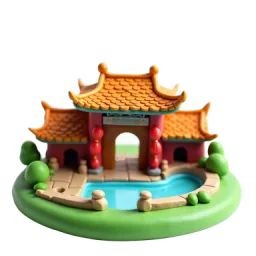
Stage 3 Founded in 1070, the temple was home to Vietnam's first national university, the Imperial Academy, from 1076. Source: Wikipedia
Old Quarter Streets
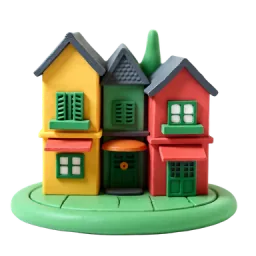
Stage 1 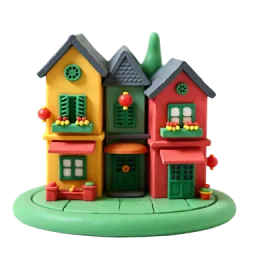
Stage 2 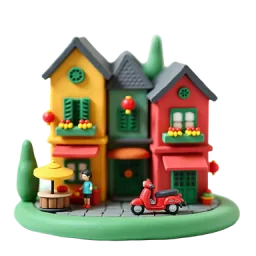
Stage 3 The Old Quarter is also called the ‘36 streets’. In the past, each street had its own trade or craft. Source: Wikipedia
Hạ Long Bay
Route steps 25–36
Limestone Islands
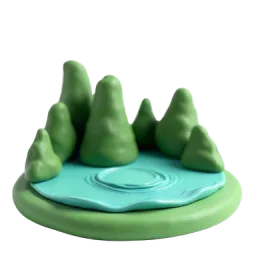
Stage 1 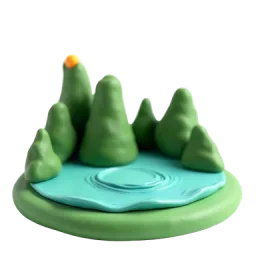
Stage 2 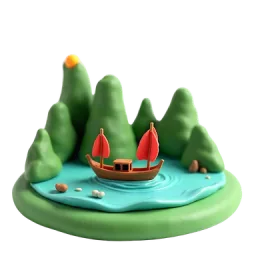
Stage 3 Hạ Long Bay has about 1,969 islets, most of them limestone. It became a UNESCO World Heritage Site in 1994. Source: Wikipedia
Traditional Junk Boat
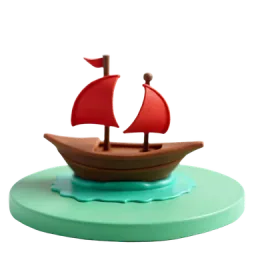
Stage 1 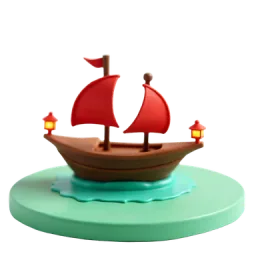
Stage 2 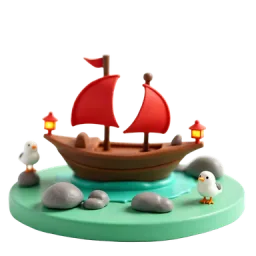
Stage 3 Junk boats are flat-bottomed, with hulls split into watertight rooms. Their sails were once woven from bamboo. Source: Wikipedia
Sửng Sốt Cave
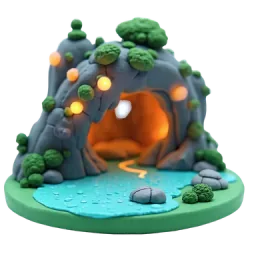
Stage 1 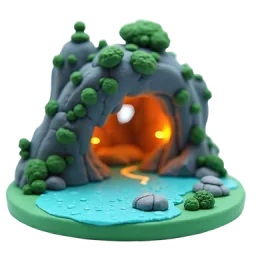
Stage 2 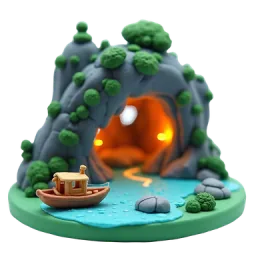
Stage 3 The cave's entrance is tiny, but inside it opens up wide. In 1901 the French named it the ‘Cave of Surprise’. Source: Wikipedia
Floating Fishing Village
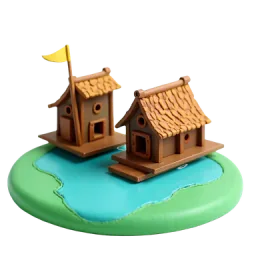
Stage 1 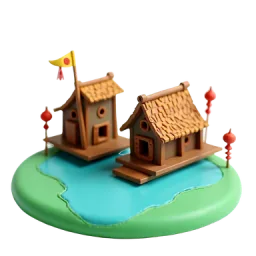
Stage 2 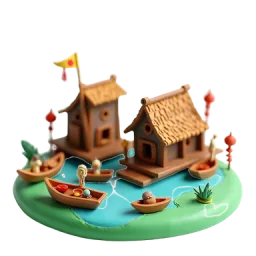
Stage 3 About 1,600 people live in four fishing villages on Hạ Long Bay, in floating houses, and live by fishing. Source: Wikipedia