
 United Kingdom
The United Kingdom route: 3 regions, 12 landmarks. Every landmark is built in three stages.
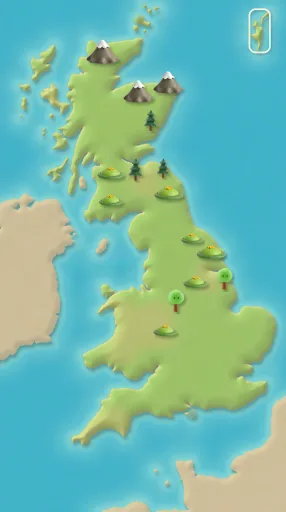
London
Route steps 1–12
Big Ben Clock Tower
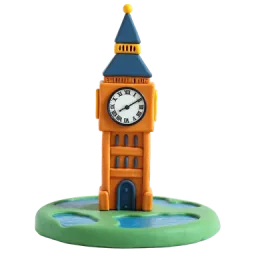
Stage 1 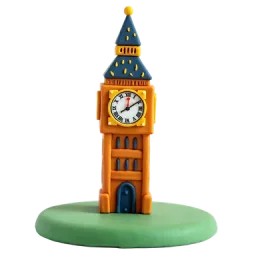
Stage 2 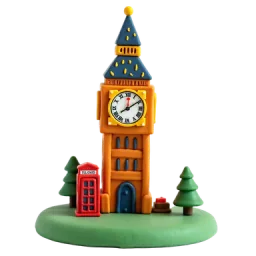
Stage 3 Big Ben is really the name of the great bell inside, which weighs about 13.7 tonnes. The tower was finished in 1859. Source: Wikipedia
Tower Bridge
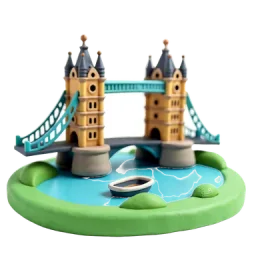
Stage 1 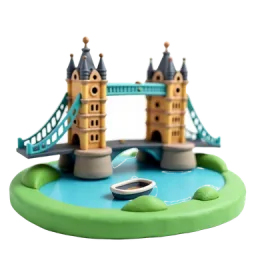
Stage 2 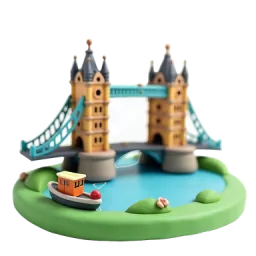
Stage 3 Opened in 1894, the bridge's middle splits in two and lifts up so tall ships can sail through. Source: Wikipedia
Tower of London
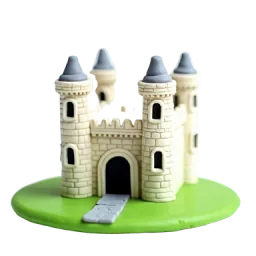
Stage 1 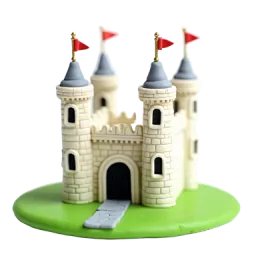
Stage 2 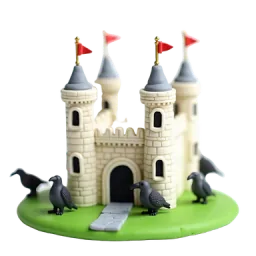
Stage 3 The White Tower, which gives the castle its name, was built in 1078. Today the Crown Jewels are kept here. Source: Wikipedia
Giant Wheel on the Thames
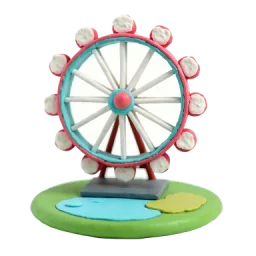
Stage 1 
Stage 2 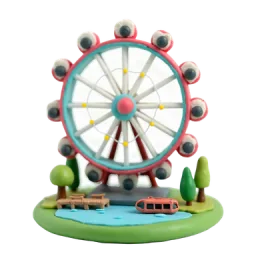
Stage 3 This giant wheel on the Thames is 135 metres tall. When it opened in 2000, it was the tallest Ferris wheel in the world. Source: Wikipedia
Windsor · Oxford · Cambridge
Route steps 13–24
Windsor Castle
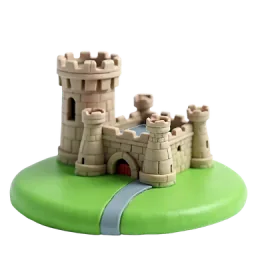
Stage 1 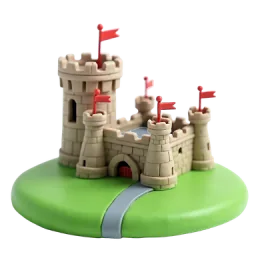
Stage 2 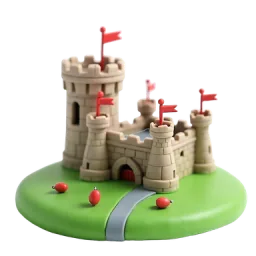
Stage 3 Kings and queens have used Windsor Castle since the 1100s, making it the longest-occupied palace in Europe. Source: Wikipedia
Radcliffe Camera
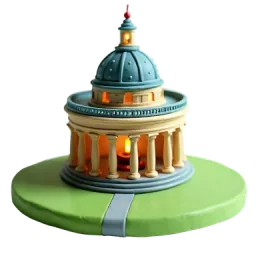
Stage 1 
Stage 2 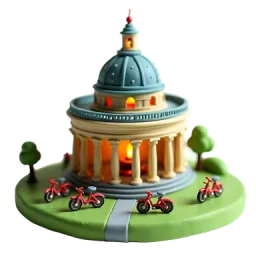
Stage 3 This round building was built as a library between 1737 and 1749. Today Oxford students use it as a reading room. Source: Wikipedia
Punting in Cambridge
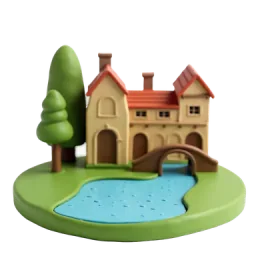
Stage 1 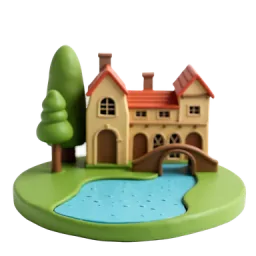
Stage 2 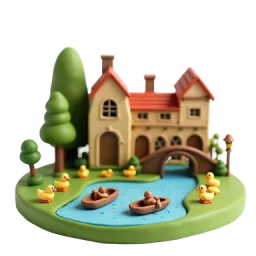
Stage 3 A punt is a flat-bottomed boat. Instead of rowing, you push a long pole against the riverbed; in Cambridge punts carry visitors. Source: Wikipedia
Kew Gardens Glasshouse
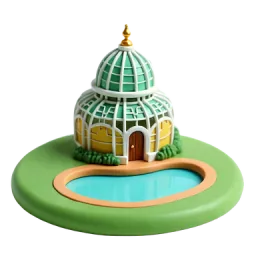
Stage 1 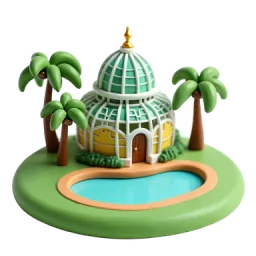
Stage 2 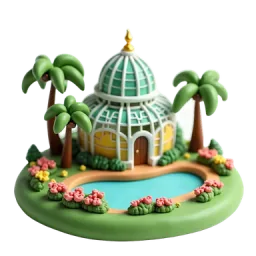
Stage 3 Kew's Palm House was built between 1844 and 1848. It was the first large-scale use of wrought iron to hold up a building. Source: Wikipedia
Stonehenge · Bath
Route steps 25–36
Stonehenge
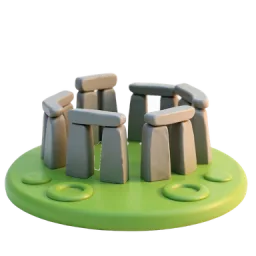
Stage 1 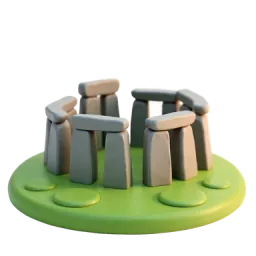
Stage 2 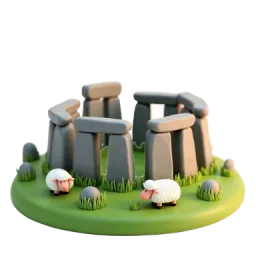
Stage 3 The great stone circle was set up between 2600 and 2400 BC. It lines up with the sunrise on the summer solstice. Source: Wikipedia
Roman Baths of Bath
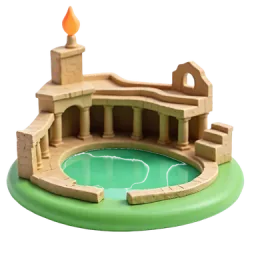
Stage 1 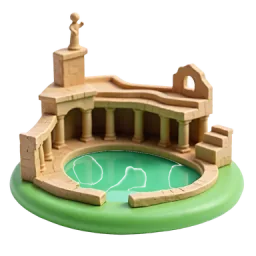
Stage 2 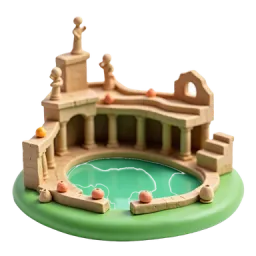
Stage 3 Every day, about 1.17 million litres of hot water at 46 °C bubble up from the spring here. Source: Wikipedia
Pulteney Bridge
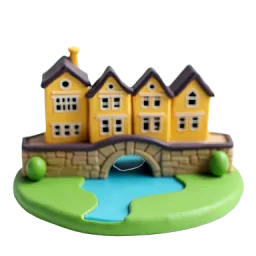
Stage 1 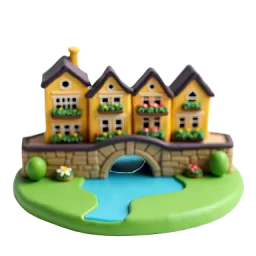
Stage 2 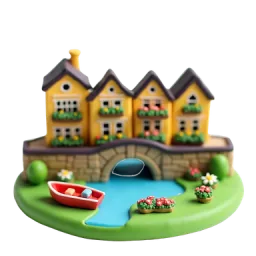
Stage 3 Finished by 1774, it is one of only four bridges in the world with shops along its whole length on both sides. Source: Wikipedia
Cotswolds Stone Villages
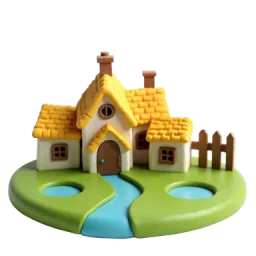
Stage 1 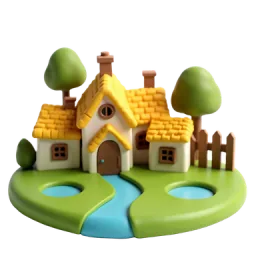
Stage 2 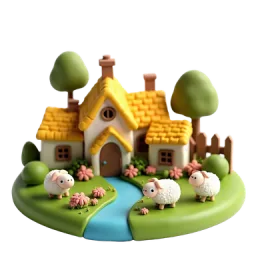
Stage 3 The village houses are built from golden local Cotswold limestone. In the Middle Ages, the area grew rich from wool. Source: Wikipedia