
 India
The India route: 3 regions, 12 landmarks. Every landmark is built in three stages.
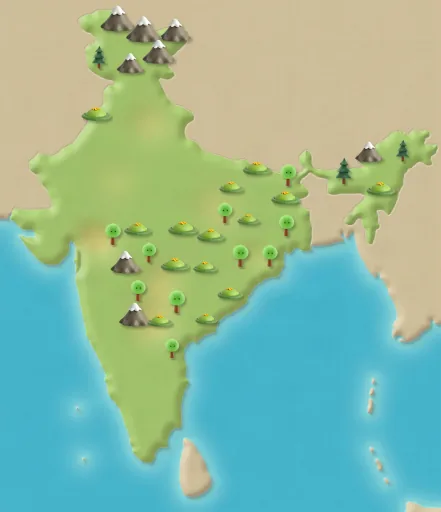
Delhi
Route steps 1–12
Red Fort
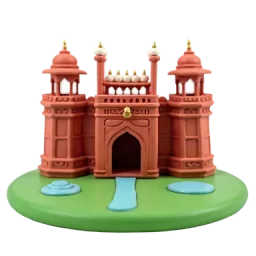
Stage 1 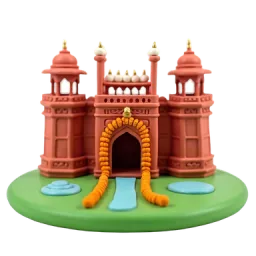
Stage 2 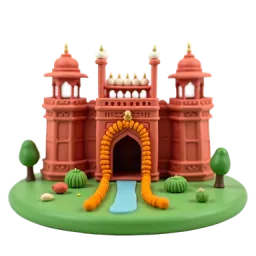
Stage 3 The Red Fort takes its name from its red sandstone walls. It became a UNESCO World Heritage Site in 2007. Source: Wikipedia
Qutub Minar
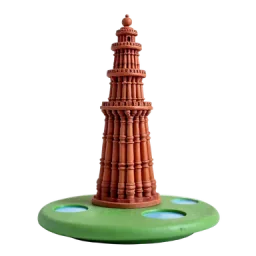
Stage 1 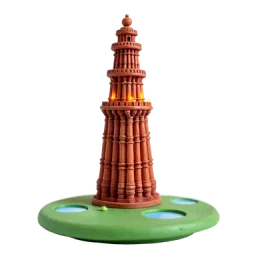
Stage 2 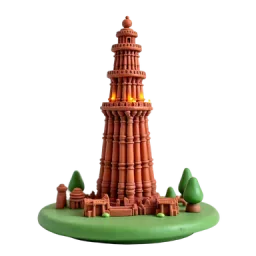
Stage 3 At 72.5 metres, the Qutub Minar is the tallest minaret in the world built of bricks. Source: Wikipedia
Humayun's Tomb
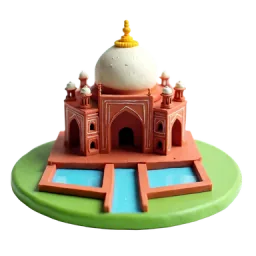
Stage 1 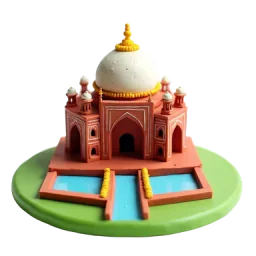
Stage 2 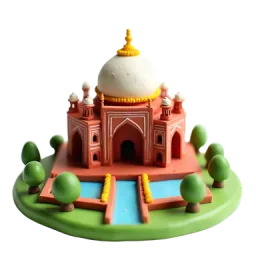
Stage 3 Humayun's Tomb was the first garden-tomb on the Indian subcontinent. UNESCO listed it in 1993. Source: Wikipedia
Lotus Temple
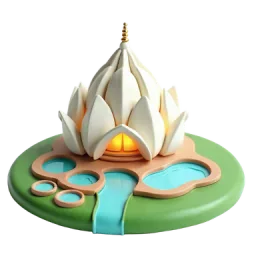
Stage 1 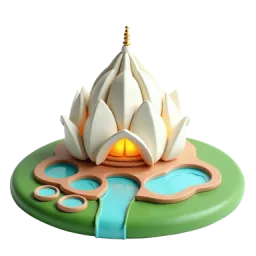
Stage 2 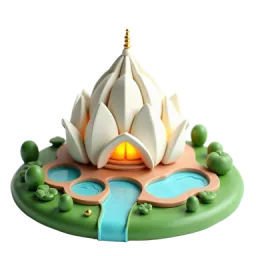
Stage 3 The Lotus Temple is made of 27 marble-clad petals, set in three rings of nine like a half-open flower. Source: Wikipedia
Agra
Route steps 13–24
Taj Mahal
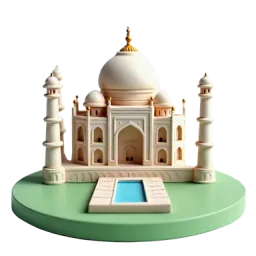
Stage 1 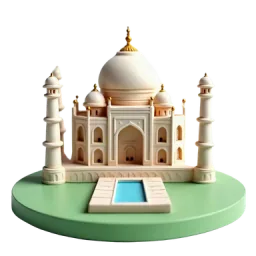
Stage 2 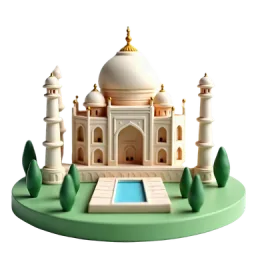
Stage 3 Emperor Shah Jahan ordered the Taj Mahal in 1631 to hold the tomb of his late wife, Mumtaz Mahal. Source: Wikipedia
Agra Fort
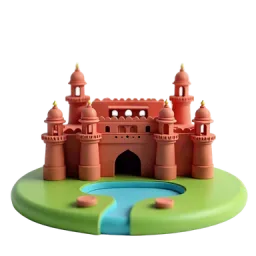
Stage 1 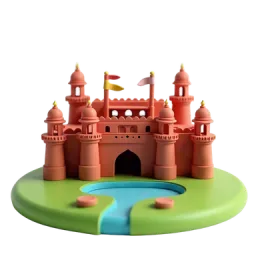
Stage 2 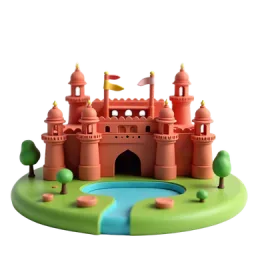
Stage 3 Emperor Akbar rebuilt Agra Fort in red sandstone between 1565 and 1573. Source: Wikipedia
Buland Darwaza, Fatehpur Sikri
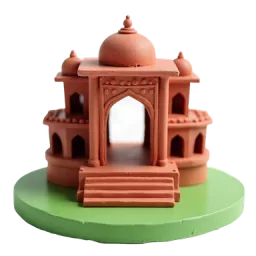
Stage 1 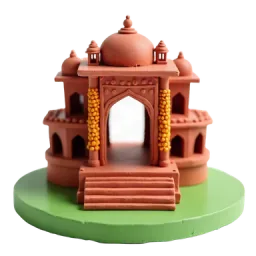
Stage 2 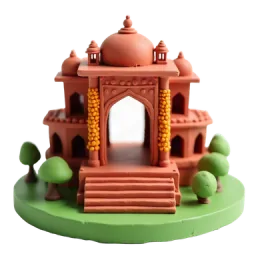
Stage 3 Emperor Akbar began this giant gateway in 1573 to celebrate a victory. It rises about 54 metres from the ground. Source: Wikipedia
Mehtab Bagh Garden
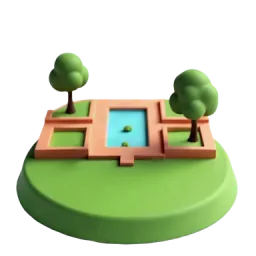
Stage 1 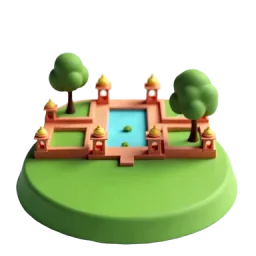
Stage 2 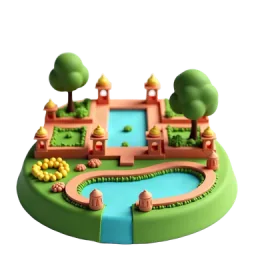
Stage 3 Mehtab Bagh means ‘Moonlight Garden’. It sits across the river, perfectly lined up with the Taj Mahal. Source: Wikipedia
Jaipur
Route steps 25–36
Hawa Mahal
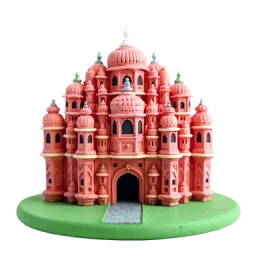
Stage 1 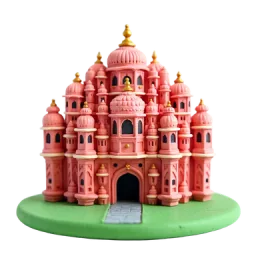
Stage 2 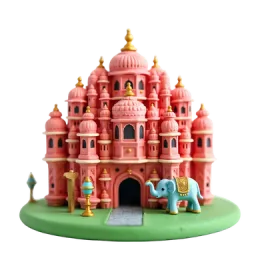
Stage 3 Hawa Mahal, the ‘Palace of Winds’, has 953 small windows arranged like a honeycomb. Source: Wikipedia
Amber Fort
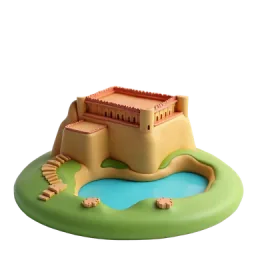
Stage 1 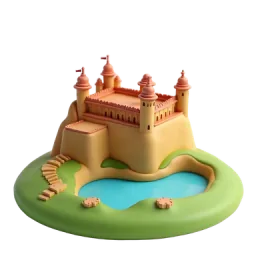
Stage 2 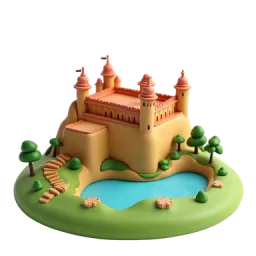
Stage 3 Inside Amber Fort is the Sheesh Mahal, a mirror palace whose tiny mirrors sparkled in candlelight. Source: Wikipedia
Jal Mahal Water Palace
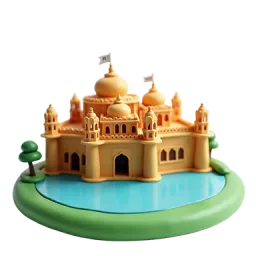
Stage 1 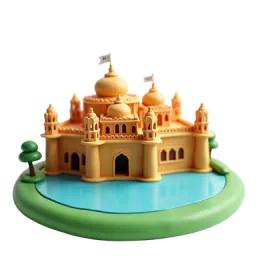
Stage 2 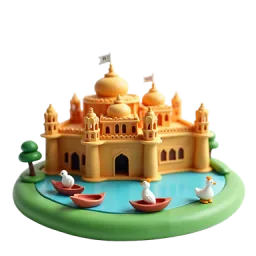
Stage 3 Jal Mahal has five floors, but when Man Sagar Lake is full, its lowest floor stays underwater. Source: Wikipedia
Jantar Mantar Observatory
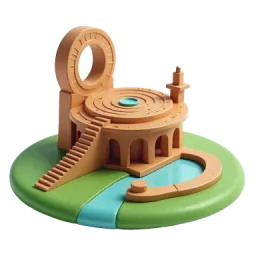
Stage 1 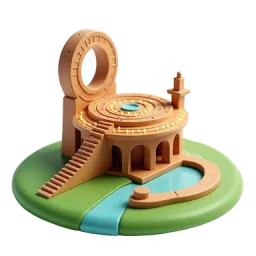
Stage 2 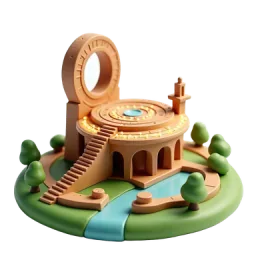
Stage 3 Jantar Mantar, finished in 1734, has the world's largest stone sundial. Source: Wikipedia