
 Indonesia
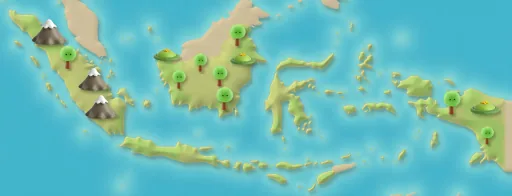
The Indonesia route: 3 regions, 12 landmarks. Every landmark is built in three stages.
Jakarta
Route steps 1–12
Monas (National Monument)
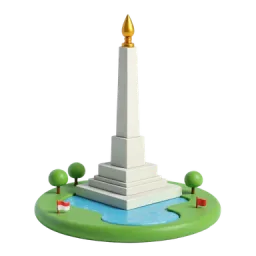
Stage 1 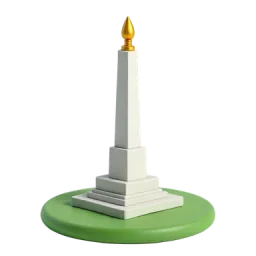
Stage 2 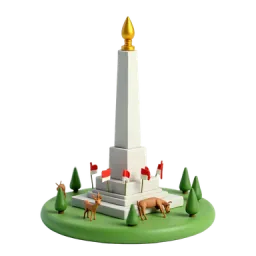
Stage 3 This 132-metre monument is topped with a flame covered in gold leaf. Source: Wikipedia
Istiqlal Mosque
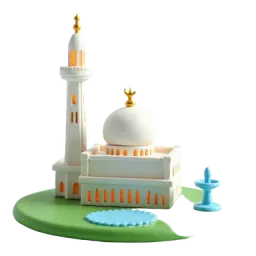
Stage 1 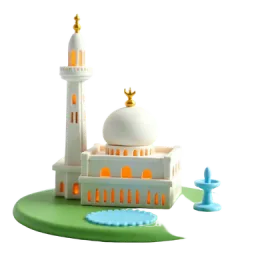
Stage 2 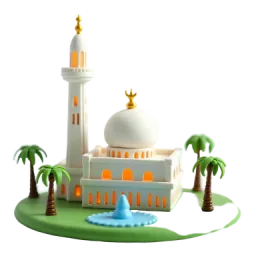
Stage 3 Its name means ‘Independence Mosque’. Opened in 1978, it is the largest mosque in Southeast Asia. Source: Wikipedia
Jakarta Cathedral
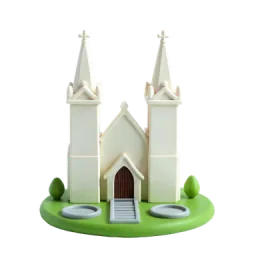
Stage 1 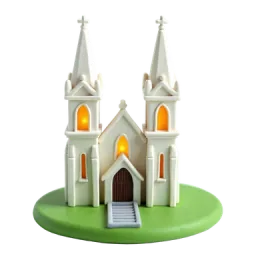
Stage 2 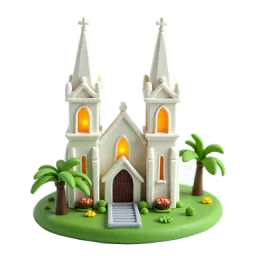
Stage 3 This neo-Gothic cathedral was consecrated in 1901, and Istiqlal Mosque stands right next to it. Source: Wikipedia
Kota Tua Old Town
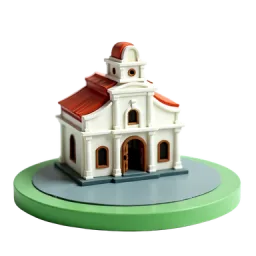
Stage 1 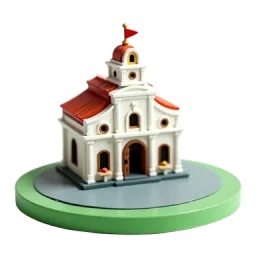
Stage 2 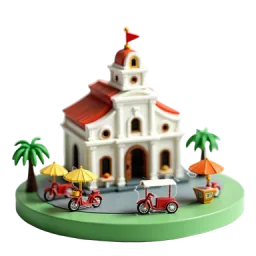
Stage 3 Kota Tua means ‘Old Town’; it was the first walled centre of Batavia, Jakarta's old name. Source: Wikipedia
Yogyakarta
Route steps 13–24
Borobudur
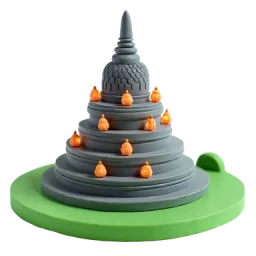
Stage 1 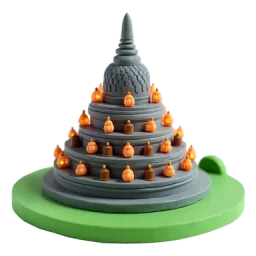
Stage 2 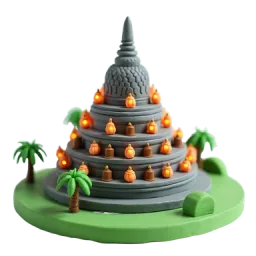
Stage 3 This 9th-century Buddhist temple has 2,672 carved stone panels and originally had 504 Buddha statues. Source: Wikipedia
Prambanan
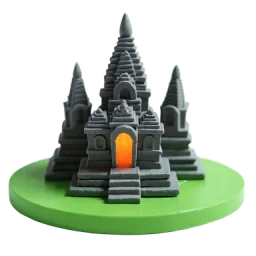
Stage 1 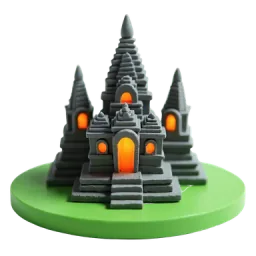
Stage 2 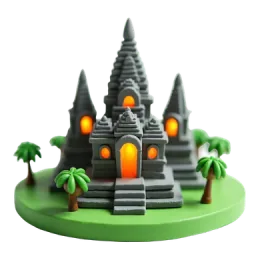
Stage 3 Built in the 9th century, Prambanan is the largest Hindu temple site in Indonesia and a UNESCO World Heritage Site. Source: Wikipedia
Sultan's Palace (Kraton)
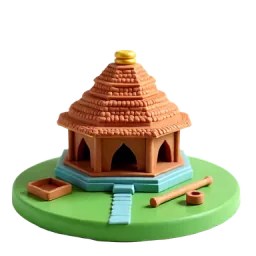
Stage 1 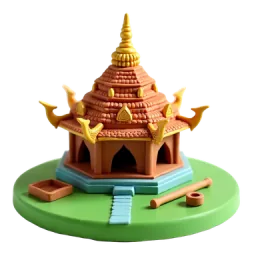
Stage 2 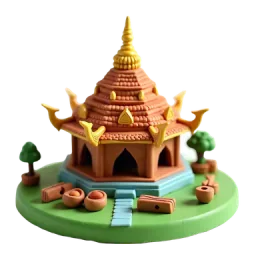
Stage 3 Built in 1755–1756, the palace still hosts gamelan music, Javanese dance and shadow puppet shows. Source: Wikipedia
Mount Merapi
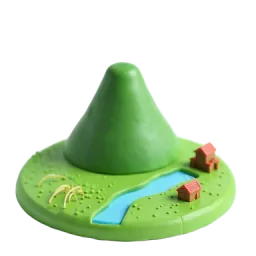
Stage 1 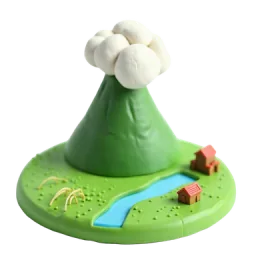
Stage 2 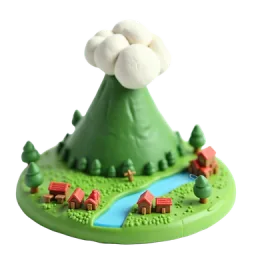
Stage 3 Merapi means ‘Fire Mountain’, and it is the most active volcano in Indonesia. Source: Wikipedia
Bromo · East Java
Route steps 25–36
Mount Bromo
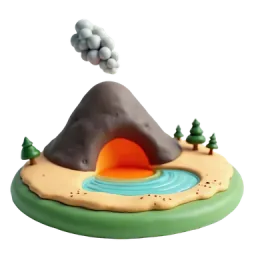
Stage 1 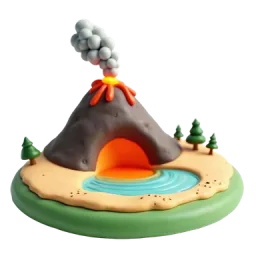
Stage 2 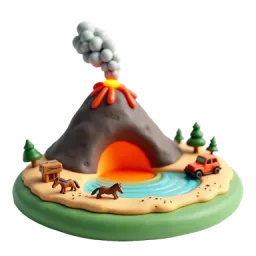
Stage 3 Mount Bromo rises from the middle of a wide plain of volcanic sand called the ‘Sea of Sand’. Source: Wikipedia
Ijen Crater

Stage 1 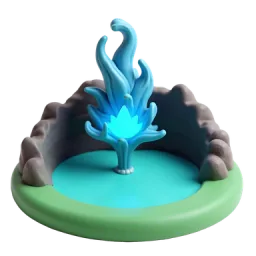
Stage 2 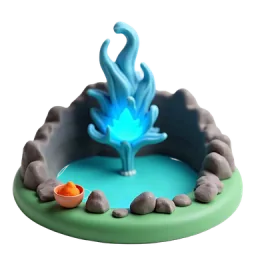
Stage 3 Ijen is famous for its glowing blue fire and a turquoise crater lake about one kilometre wide. Source: Wikipedia
Tumpak Sewu Waterfall
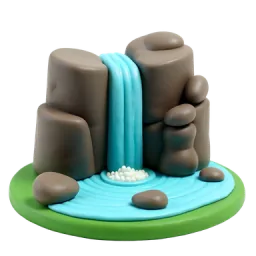
Stage 1 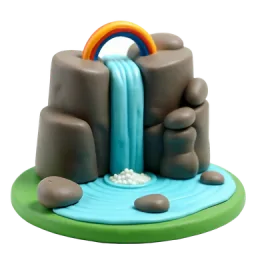
Stage 2 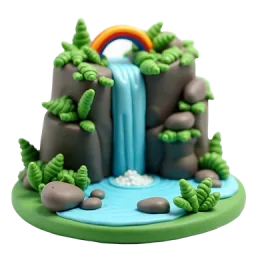
Stage 3 Tumpak Sewu roughly means ‘a thousand waterfalls’ in Javanese, as many falls pour into one half-circle valley. Source: Wikipedia
Mount Semeru
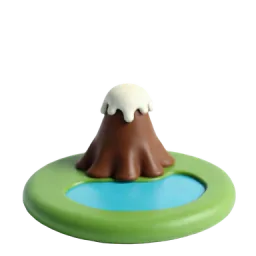
Stage 1 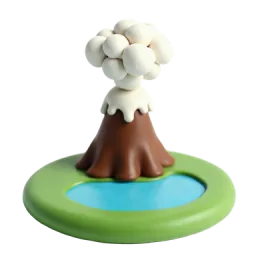
Stage 2 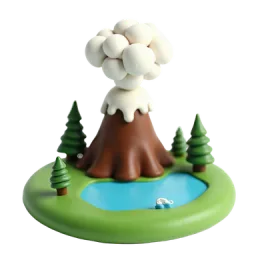
Stage 3 Semeru is the highest mountain on the island of Java. It is also called Mahameru, ‘the Great Mountain’. Source: Wikipedia