
 Germany
The Germany route: 3 regions, 12 landmarks. Every landmark is built in three stages.
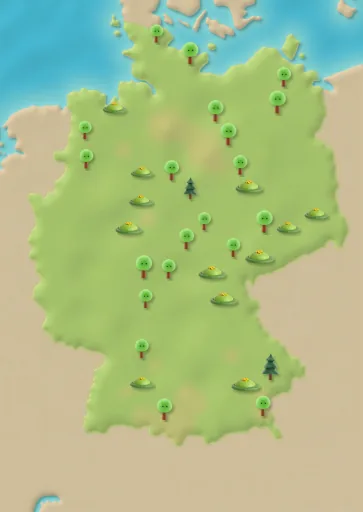
Hamburg
Route steps 1–12
Elbphilharmonie
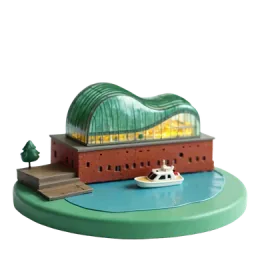
Stage 1 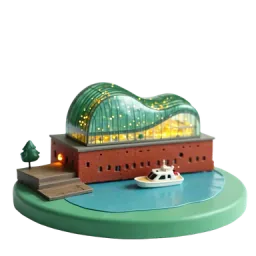
Stage 2 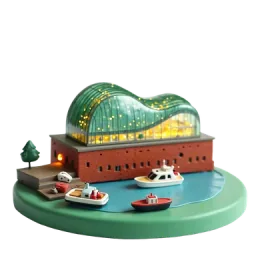
Stage 3 This concert hall was built on top of an old brick warehouse and opened on 11 January 2017. Source: Wikipedia
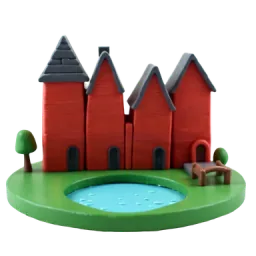
Speicherstadt Warehouses
Stage 1 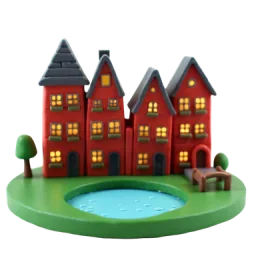
Stage 2 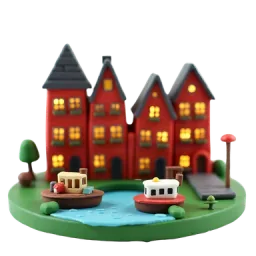
Stage 3 Speicherstadt is the world's largest warehouse district standing on oak log foundations. It became a UNESCO site in 2015. Source: Wikipedia
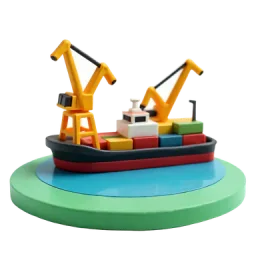
Harbour and Cranes
Stage 1 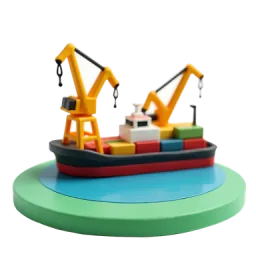
Stage 2 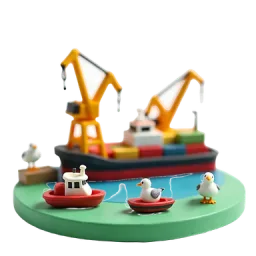
Stage 3 The Port of Hamburg is called Germany's ‘Gateway to the World’ and is the country's biggest seaport. Source: Wikipedia
St. Michael's Church
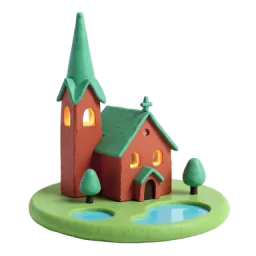
Stage 1 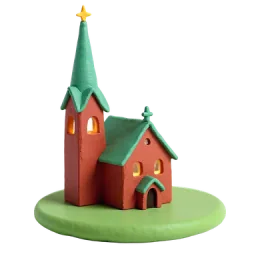
Stage 2 
Stage 3 The church's 132-metre copper-covered spire has long been a landmark guiding ships on the Elbe. Source: Wikipedia
Berlin
Route steps 13–24
Brandenburg Gate
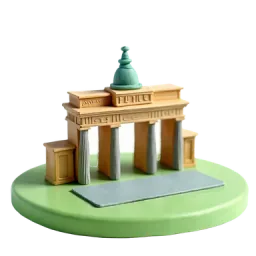
Stage 1 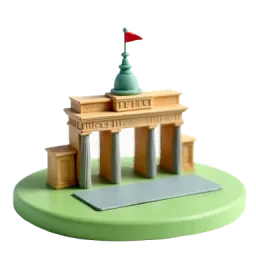
Stage 2 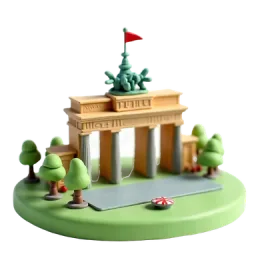
Stage 3 Built from 1788 to 1791, the gate is topped by a statue of a chariot pulled by four horses. Source: Wikipedia
Berlin TV Tower
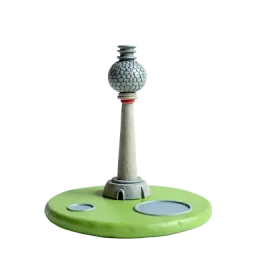
Stage 1 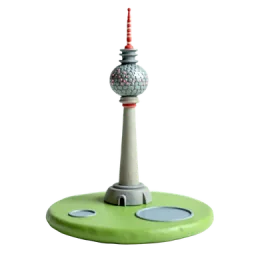
Stage 2 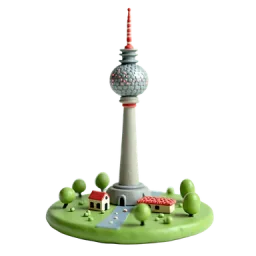
Stage 3 At 368 metres including its antenna, this tower is the tallest structure in Germany. Source: Wikipedia
Berlin Cathedral
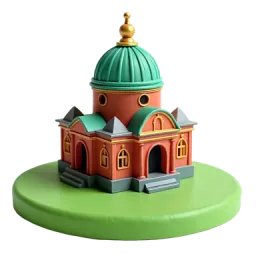
Stage 1 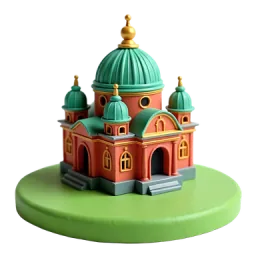
Stage 2 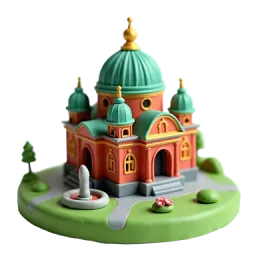
Stage 3 Today's cathedral was built on Museum Island from 1894 to 1905, ordered by Emperor William II. Source: Wikipedia
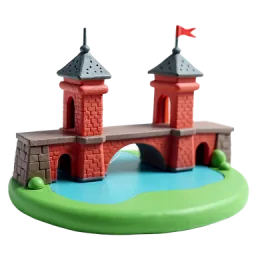
Oberbaum Bridge
Stage 1 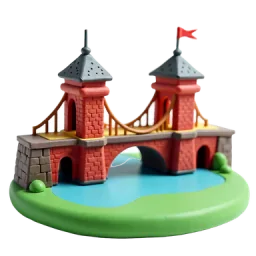
Stage 2 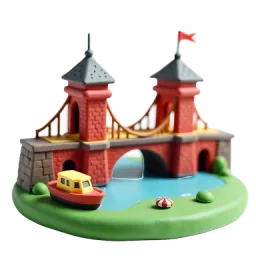
Stage 3 Opened in 1896, this double-deck bridge carries cars below and underground trains on top. Source: Wikipedia
Cologne
Route steps 25–36
Cologne Cathedral
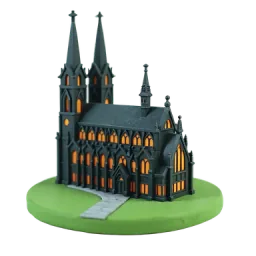
Stage 1 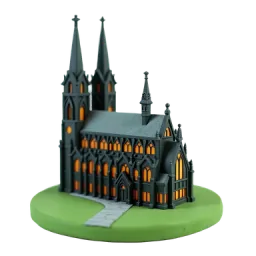
Stage 2 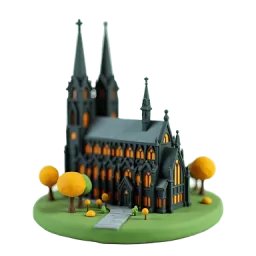
Stage 3 Work on the cathedral began in 1248 and it was only finished, to its original plan, in 1880. Source: Wikipedia
Hohenzollern Bridge
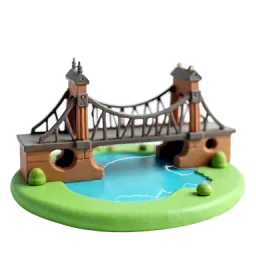
Stage 1 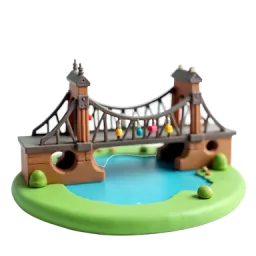
Stage 2 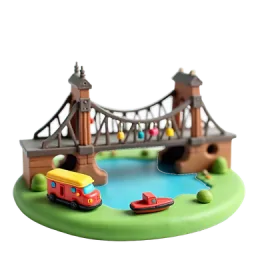
Stage 3 Over 1,200 trains a day cross Germany's busiest railway bridge, and its fences are full of love padlocks. Source: Wikipedia
Colourful Old Town Houses
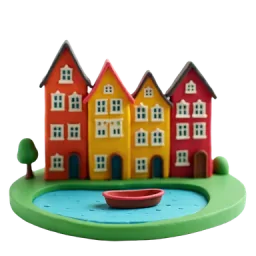
Stage 1 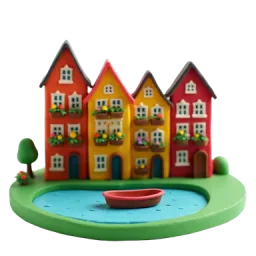
Stage 2 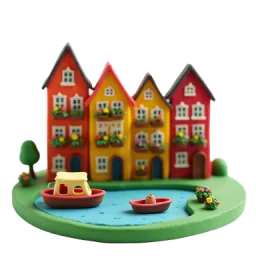
Stage 3 The square in front of the colourful houses is called Fischmarkt, the fish market, a name first recorded in the 12th century. Source: Wikipedia
Rhine Cruise Boat
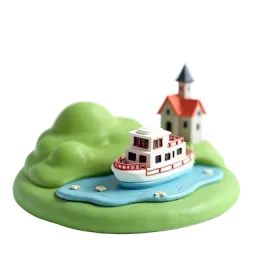
Stage 1 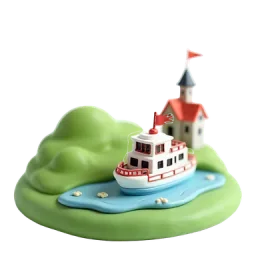
Stage 2 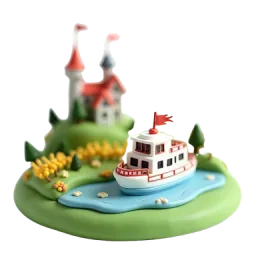
Stage 3 About 1,230 km long, the Rhine has carried boats full of goods since Roman times. Source: Wikipedia